


Charging Solutions for Mustang Mach-E Owners: Home and Public Options
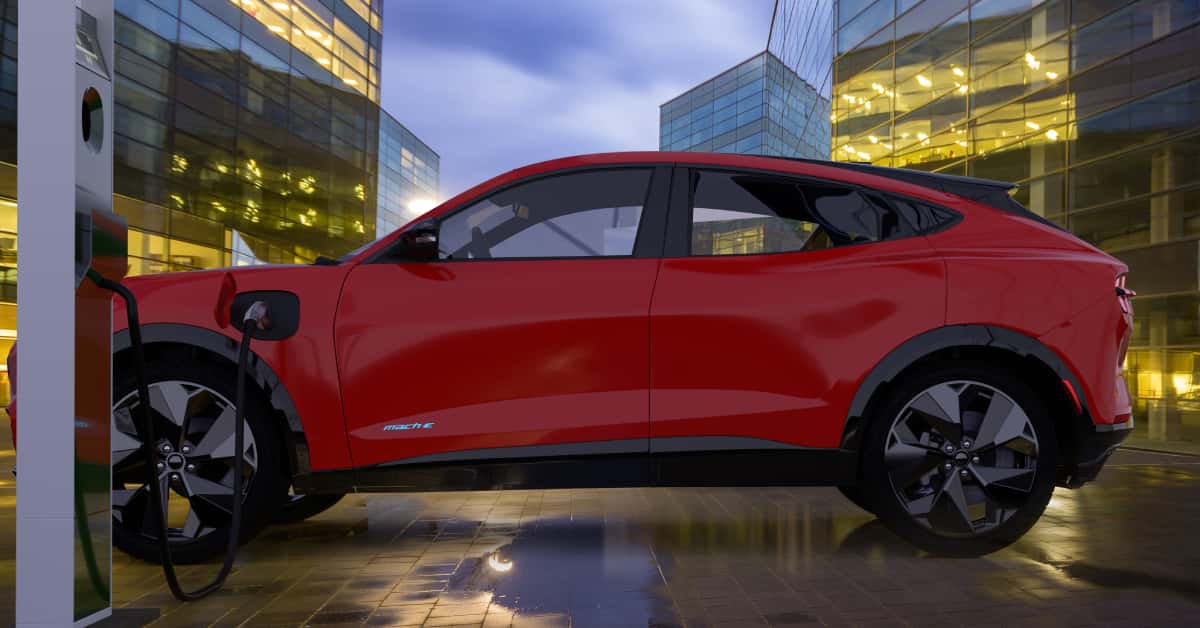
Charging your Ford Mustang Mach-E should be as simple and seamless as the drive itself. Whether you’re at home or on the go, having the right charging solutions in place ensures you’re always ready for your next adventure. From the convenience of a Level 2 home charging station to the speed of DC fast chargers, there are plenty of ways to keep your Mach-E powered up. In this guide, we’ll explore the best charging options for Mach-E owners, whether you’re at home or out exploring. Need guidance on the best solutions for your vehicle? Visit or contact Jacky Jones Ford of Hayesville today – we’re here to help keep your Mustang Mach-E fully charged and road-ready!
Home Charging: A Convenient Option for Mach-E Owners in Hayesville and Murphy
For Mustang Mach-E owners in Hayesville and Murphy, home charging is a simple, convenient way to ensure your vehicle is always ready for your next adventure. Imagine starting each day with a fully charged battery without having to leave your driveway. Installing a home EV charger for your Ford Mustang Mach-E can turn this dream into a reality. Here’s why home charging is such an appealing choice for local drivers:
Why Home Charging is a Great Option
- Convenience: Charge your Mach-E while you sleep or when it’s not in use. No need to worry about finding a public station or waiting for your vehicle to charge.
- Cost-Effective: Charging at home is usually cheaper than using public stations. By charging during off-peak hours, you can save even more. Plus, local rebates may help lower the cost of installation.
- Ford Connected Charge Station: This Level 2 home charger is designed specifically for your Mustang Mach-E. It can recharge a fully depleted battery in about 11 hours, making it perfect for overnight charging.
- FordPass App Integration: The FordPass app lets you track your charging status, schedule charging times, and monitor energy usage from your smartphone.
- Environmentally Friendly: If you use renewable energy sources like solar panels, home charging can further reduce your carbon footprint.
Charging Options for Your Home
When considering home charging, it’s essential to know your options. Here are the two main types of chargers:
| Charging Method | Voltage | Charging Time for Mach-E |
| Level 1 Charging | 120-Volt Outlet | 24+ hours for a full charge |
| Level 2 Charging | 240-Volt Outlet | 11+ hours for a full charge (ideal for overnight) |
- Level 1 Charging (Standard Outlet): This uses a regular 120-volt outlet, which is the most accessible option. However, it’s also the slowest, requiring more than 24 hours to fully charge your Mach-E.
- Level 2 Charging (Ford Connected Charge Station): This option uses a 240-volt outlet and offers faster, more efficient charging. It can fully charge your Mach-E overnight and supports advanced features via the FordPass app.
Key Benefits of Installing a Home EV Charger
- Faster Charging: Level 2 chargers charge your Mach-E much faster than standard outlets.
- Convenient Scheduling: Set your charging times to fit your schedule and avoid charging during peak electricity hours.
- Increased Property Value: Installing a home charger can add value to your home, especially as electric vehicles become more popular.
Installing a home EV charger for your Ford Mustang Mach-E brings unmatched convenience, cost savings, and control over your vehicle’s energy needs. If you’re not sure where to begin, contact Jacky Jones Ford of Hayesville. Our team is ready to help you select the best charging solutions for your home and make sure your Mach-E is always ready to go.
Public Charging Solutions: Making Long-Distance Travel Easy for Mach-E Owners in North Georgia
While home charging is ideal for daily use, public charging stations are crucial for long trips or when you’re away from home. For Mustang Mach-E owners in North Georgia, having access to reliable public charging options makes travel easy and stress-free. Whether you’re heading to the mountains or across the state, you can find charging stations that suit your needs.
Types of Public Charging Stations
Public chargers are available in various levels, just like home charging options. Understanding the different types of chargers can help you plan your journey and avoid surprises.
| Charging Level | Speed | Best For |
| Level 1 Charging | Slow (24+ hours for a full charge) | Long stops, emergencies |
| Level 2 Charging | Moderate (several hours for full charge) | Overnight charging or quick stops along the way |
| DC Fast Charging | Fast (80% charge in 30-60 minutes) | Road trips, quick recharges on long journeys |
Where to Find Public Charging Stations
Across North Georgia, you’ll find various networks offering convenient locations for public charging. Some of the most popular networks include:
- Tesla Supercharger Stations: Although designed for Tesla vehicles, some stations are compatible with other electric cars using an adapter.
- Electrify America: A widely available network that offers both Level 2 and DC fast chargers.
- ChargePoint: One of the largest charging networks, with many stations offering Level 2 chargers.
- EVgo: Offers fast charging, ideal for long road trips.
Benefits of Public Charging for Long Trips
Public charging stations are essential when you’re on the go. Here’s how they can enhance your travel experience:
- Quick Recharges: DC fast chargers let you recharge up to 80% of your battery in as little as 30 minutes. This makes long trips more manageable.
- Convenience: Charging stations are located along major highways and in key areas like shopping centers and rest stops. Many even allow you to pay using an app, making the process smooth.
- Cost-Effective: Charging at public stations is often cheaper than using gas for a traditional car. Plus, some stations offer free charging for a limited time.
Planning Your Trip with Public Charging in Mind
When you’re planning a road trip, it’s important to map out charging stops ahead of time. Use apps like PlugShare or ChargeHub to find nearby public chargers along your route. These apps show you the availability and types of chargers at each station, so you can plan accordingly.
Helpful Tips for Using Public Chargers
- Check Compatibility: Not all public stations have the same connectors. Make sure the charger is compatible with your vehicle.
- Charging Speed: If you’re in a hurry, look for DC fast chargers to minimize charging time.
- Availability: Popular stations can sometimes be busy. It’s a good idea to check real-time availability on your app before arriving.
Maximizing Your Charging Experience: Tips and Tricks for Efficient Use
To get the most out of your charging experience, it’s important to use the right methods and make smart choices. Whether you’re charging at home or on the go, here are some tips to keep your vehicle charged and ready without unnecessary stress.
1. Install a Home EV Charger for Convenience
For everyday use, installing a home charger is one of the best decisions you can make. It offers ease and flexibility, especially if you use your car daily.
- Charge Overnight: Simply plug in your vehicle when you get home, and it will be fully charged by morning.
- Avoid Peak Hours: Charging at home during off-peak hours can lower your electricity costs. Set up a charging schedule to take advantage of this.
- Stay Organized: Keep your home charger in a convenient spot where it’s easy to plug in when you arrive.
2. Use the Right Charging Level for Your Needs
There are different types of charging stations, and using the right one can make a big difference.
- Level 1 Charging (Standard Outlet): While this option is the most accessible, it’s the slowest. It’s best for emergency situations or overnight charging when you don’t need a full charge right away.
- Level 2 Charging (Home EV Charger): A faster option, perfect for daily use. It can fully charge your vehicle overnight and is more efficient than using a standard outlet.
- DC Fast Charging: Ideal for road trips or when you need a quick charge. This option is faster, but it’s not necessary for everyday use.
3. Use the FordPass App for Control and Convenience
The FordPass app helps you monitor and control your charging process from your phone.
- Monitor Charging: Check your battery status and charging progress remotely.
- Set Charging Times: Schedule when your vehicle will charge to fit your routine and avoid peak electricity rates.
- Plan Long Trips: Use the app to find charging stations along your route, especially DC fast chargers, for longer trips.
4. Maintain Your Battery Health
Proper care of your battery can help prolong its life and keep your vehicle running at its best.
- Don’t Always Charge to 100%: Charging to 100% regularly may shorten battery life. Try charging to around 80% for daily use.
- Avoid Deep Discharges: Don’t let your battery level drop too low before charging. Aim to recharge when it’s around 20% or higher.
- Use Fast Charging Sparingly: DC fast charging is convenient but should be used only when necessary, as it can generate more heat and wear on the battery over time.
5. Take Advantage of Local Incentives
Many areas offer rebates or incentives for installing home chargers. Check with local utility companies for any programs that could help reduce the cost of installation.
- Local Rebates: Some utilities provide financial incentives for upgrading to an EV charger at home.
- Government Grants: In certain areas, you might qualify for grants or tax breaks for choosing sustainable options, like home charging stations.
6. Know Your Charging Station Options When Traveling
When traveling or on a long trip, make sure to plan ahead. Finding charging stations along your route will make your journey more efficient.
- FordPass Charging Network: The FordPass app can help you find reliable DC fast chargers along your trip. You can check availability and charging speeds before arriving.
- Check Station Compatibility: Not all stations are compatible with every vehicle, so it’s important to ensure that the charger you plan to use works for your car.
7. Keep Your Charger Clean and Well-Maintained
Regularly check your home charger and the vehicle’s charging port to ensure they are in good working order.
- Inspect Cables and Connectors: Make sure the cables are in good condition and not showing any signs of wear.
- Keep Charging Area Clear: Keep the area around your charging station clear of obstacles to make it easy to plug in your vehicle.
Understanding the Costs and Savings of Charging Your Mustang Mach-E
Charging your vehicle can be one of the biggest factors in owning an electric car. It’s important to understand the costs and savings involved to make the best decision for your budget. Below, we break down key factors that influence charging expenses and how you can save money while keeping your car ready to drive.
1. Home Charging Costs
Charging at home is often the most convenient and affordable option. However, the cost can vary based on several factors.
- Electricity Rates: The cost of electricity in your area plays a big role. You may pay more or less depending on where you live.
- Charging Time: Charging your car at home usually takes longer than using a public station. On average, the Mustang Mach-E charging time is around 11 hours with a Level 2 charger. This can vary based on battery size and the charger used.
- Off-Peak Charging: Many electric providers offer cheaper rates during off-peak hours. By charging your car overnight, you can save money.
2. Public Charging Costs
Public charging stations are another option, especially when you need to recharge quickly on the go. However, costs can be higher than charging at home.
- Charging Stations Fees: Public stations typically charge per kilowatt-hour (kWh) or by the minute. Prices can range depending on the provider and location.
- DC Fast Charging: While DC fast chargers are quick, they tend to be more expensive. A fast charge can take around 30-45 minutes, but it often costs more than slower options.
3. Level 1 vs. Level 2 Charging Costs
Charging speeds also impact the cost. There are two main levels to consider for home charging: Level 1 and Level 2.
- Level 1 Charging (Standard Outlet): This method uses a regular 120-volt outlet. It’s the least expensive, but it’s also the slowest. It can take more than 24 hours to fully charge your car. It’s not ideal for daily use.
- Level 2 Charging (Ford Connected Charger): This is faster and more efficient. With a 240-volt outlet, you can expect to fully charge your car overnight (about 11 hours). The cost of installing a Level 2 charger at home can vary, but it’s generally more expensive upfront than using a standard outlet.
4. FordPass Charging Network Savings
The FordPass Charging Network can help you save time and money by locating reliable public charging stations. The app allows you to:
- Find Stations: Locate charging stations on your route that are compatible with your vehicle.
- Monitor Prices: Some stations offer discounted rates or membership programs. You can see these offers through the app.
- Track Charging Costs: The app can help you keep track of charging costs for both home and public charging, giving you an overview of your spending.
5. Government Incentives and Rebates
In some regions, you may be eligible for incentives or rebates that help lower the cost of charging equipment.
- Tax Credits: The U.S. government offers tax credits for installing home EV chargers. Check with local authorities to see if you qualify.
- Rebates for Charging Equipment: Many states and utility companies offer rebates for the installation of Level 2 chargers. This can significantly reduce the cost of upgrading your home charging setup.
6. Energy Source and Sustainability
One way to reduce your charging costs is by using renewable energy sources like solar power.
- Solar Power: If you have solar panels at home, you can use them to charge your vehicle, which can save you money in the long run.
- Clean Energy Plans: Some electricity providers offer green energy plans, which allow you to charge your vehicle using renewable energy sources.
7. Cost per Mile
Understanding how much it costs to drive your car can also help you assess savings.
- Energy Efficiency: The Mustang Mach-E is energy-efficient, offering a relatively low cost per mile compared to traditional gas-powered vehicles.
- Cost per kWh: On average, you’ll pay about 12 to 16 cents per kWh at home, which translates to roughly 3-4 miles of range per dollar, depending on your driving conditions.
FAQs About Charging Solutions for Mustang Mach-E Owners:
What are the home charging options available for the Ford Mustang Mach-E?
The primary home charging options for the Ford Mustang Mach-E include Level 1 charging (using a standard 120-volt outlet) and Level 2 charging (using a 240-volt outlet with a Ford Connected Charge Station). Level 2 charging is faster and more efficient, allowing you to charge your vehicle overnight.
How can I install a Level 2 home charging station for my Mustang Mach-E?
To install a Level 2 home charging station for your Ford Mustang Mach-E, you’ll need to hire a licensed electrician to install a 240-volt outlet. This typically involves wiring the outlet to your home’s electrical system and setting up the Ford Connected Charge Station. You may also qualify for rebates or incentives to help with the installation cost.
How do I locate public charging stations compatible with the Mustang Mach-E?
You can easily locate public charging stations compatible with your Mustang Mach-E using the FordPass app or other EV-specific apps like PlugShare. These apps provide maps, charging station availability, and real-time updates on stations near you.
What is the FordPass Charging Network, and how does it benefit Mustang Mach-E owners?
The FordPass Charging Network is a network of over 63,000 charging stations across North America, making it easier for Mustang Mach-E owners to find compatible stations. The network offers access to real-time availability updates, pricing information, and seamless payment through the FordPass app.
Can I use Tesla Superchargers to charge my Mustang Mach-E?
No, you cannot use Tesla Superchargers to charge your Ford Mustang Mach-E. Tesla uses a different connector for its charging stations, and the Ford Mustang Mach-E is not compatible with the Tesla Supercharger network.
Contact Jacky Jones Ford of Hayesville for More Information on Charging Solutions
If you’re in Hayesville, Murphy, or the surrounding areas, we invite you to explore our wide selection of vehicles, including the Mustang Mach-E. Our knowledgeable staff can walk you through the features and benefits of owning an electric vehicle. Plus, if you’re interested in other Ford models, like the 2025 Escape, we have a variety of options to fit your lifestyle.
While you’re here, be sure to check out some of our other helpful articles. If you’ve ever wondered “Why does music start playing randomly?”, we have the answers! Or, if you’re a fan of Ford trucks, check out our post on Ford trucks in movies. And if you’re ready to take your driving experience to new heights, explore our article on the 2025 Escape.
At Jacky Jones Ford of Hayesville, we’re always ready to help you find the best vehicle and charging solutions for your needs. Come visit us today!

0 comment(s) so far on Charging Solutions for Mustang Mach-E Owners: Home and Public Options